Every experienced Nigerian importer was a first timer once, staring at a wholesale platform with no real sense of where to start. The process feels overwhelming mostly because it gets explained in fragments, a tip here about suppliers, a warning there about payment, a story from someone who learned a hard lesson about shipping. Put together properly, it's a lot more manageable than it looks. Here's the full picture, from deciding what to import to actually getting your goods into Nigeria.

Why China Is One of Nigeria's Biggest Source of Imports
China has been Nigeria's largest source of imports for years, and the reasons are straightforward. Manufacturing scale keeps prices competitive across nearly every product category, from textiles and electronics to machinery and household goods. Cities like Guangzhou and Yiwu have built entire economies around wholesale trade, with markets and platforms designed specifically to serve buyers who are sourcing in volume rather than shopping retail. For a Nigerian business trying to compete on price while still turning a profit, that scale is hard to match sourcing anywhere else.
Step One: Decide What You're Importing and Research the Market
Before touching a single supplier, get clear on what you're actually bringing in and whether there's real demand for it in Nigeria. New importers sometimes chase a product because it looks cheap to source, without checking whether the local market is already saturated or whether import duties eat into the margin more than expected. A bit of research upfront, checking what competitors are already selling and at what price, saves a lot of wasted money later.
Step Two: Find and Vet a Supplier
Once you know what you're importing, finding a supplier is usually the easy part. Confirming they're legitimate is where most first timers stumble. It's worth taking the time to check a supplier's business registration, get on a video call if possible, and ask for references before sending any real money. We covered this in detail in How to Verify if Your Chinese Supplier Is Legit, and it's worth reading in full before you commit to a first order, since a bad supplier at this stage can undo everything else you do right.

Step Three: Choose Where to Source From
Where you source from shapes almost everything downstream, price, minimum order quantities, and how much back and forth you'll need with a supplier. Guangzhou remains one of the most reliable entry points for new importers, with entire districts organized around specific product categories and a strong culture of dealing with foreign buyers. Our guide on A Nigerian Importer's Guide to Sourcing from Guangzhou walks through what to expect there in more detail.
Many first time importers also lean on an agent at this stage, particularly if they're sourcing through 1688 or another domestic Chinese platform that assumes local buyer knowledge. Whether that's the right call depends on your comfort level and how often you plan to order, something we broke down more fully in Do You Need an Agent to Buy From 1688?.
Step Four: Understand How Payment Works
This is where a lot of new importers hit their first real obstacle. Nigerian banks weren't built to move Naira into RMB quickly, and the parallel market carries its own risks. The underlying process, converting Naira to RMB and sending it to a supplier through a bank transfer, Alipay, or WeChat, is something we broke down fully in How to Buy RMB with Naira. If your supplier has a preference between Alipay and WeChat specifically, our comparison in Alipay vs WeChat Pay: Which One Should You Use to Pay Chinese Suppliers covers how to decide.
Getting this step right early saves a lot of stress later, since payment delays are one of the most common reasons a shipment gets held up or a supplier relationship sours before it's even started.
Step Five: Plan Your Shipping and Customs Clearance
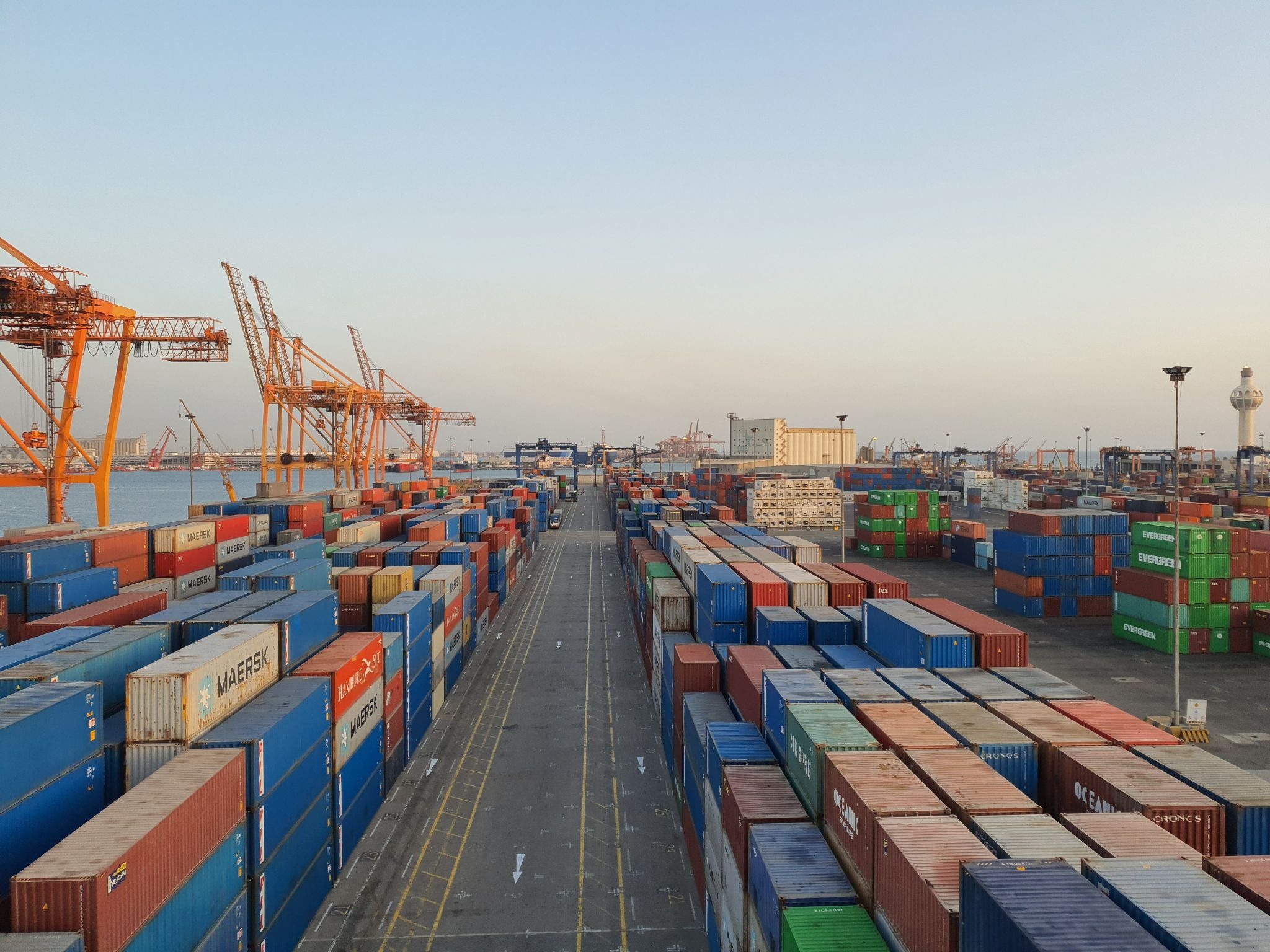
Once your order is placed and paid for, shipping typically moves by sea for larger, less urgent orders or by air or express for smaller shipments where speed matters more than cost. Sea freight takes considerably longer but keeps per unit shipping costs down, which matters a great deal on bulk orders. Customs clearance is where a lot of first time importers get stuck, since it involves specific documentation and duty assessment that changes depending on what you're bringing in.
This is where working with a logistics partner who already understands the corridor makes a real difference. Rafiki, for example, handles quality inspection in China, consolidates parcels out of their Guangzhou facility, and ships air, express, or sea to Nigeria with customs aware routing and order tracking built in. For a first time importer, handing that piece off to a team that already knows the documentation and the ports removes one of the more overwhelming parts of the process.
Step Six: Time Your Orders Around Chinese Holidays
One detail that catches almost every first time importer off guard is China's holiday calendar. Spring Festival alone can shut down factories, banks, and shipping for over a week, with disruption often extending well past the official dates as workers travel home. We laid out the full 2026 calendar and what to expect in Chinese Bank Holidays: A Nigerian Importer's Guide to Planning Around Them. Building these dates into your planning from the start avoids the confusion of a supplier suddenly going quiet for reasons that have nothing to do with your order.
Common Mistakes First Time Importers Make
A handful of mistakes show up again and again with new importers. Skipping supplier verification because a deal looks too good to pass up is one of the most costly, since a single bad transaction can wipe out the savings from several good ones. Underestimating shipping timelines is another, particularly around Chinese holidays when delays compound quickly. Choosing the slowest, most expensive way to convert Naira into RMB simply because it's the most familiar option is a third, one that quietly eats into margin on every single order without the business owner ever noticing exactly where the cost is coming from.
Send Your First Payment Today
Importing from China stops feeling complicated once you've walked through it once with a real roadmap instead of scattered advice. Take it one step at a time, and put usezolan.com to work when you're ready to move your first payment.