

A supplier in Yiwu quotes $4.20 per unit for a product a competitor in Aba later reveals they got for $3.60, from that same supplier, in the same quarter. Nobody hacked the system. Nobody found a secret price list. One buyer negotiated and the other didn't.
Most Nigerian importers treat the first quote from a Chinese supplier as fixed, something to accept or walk away from. It isn't. Chinese manufacturers build room into how they price, and buyers who understand that consistently pay less for identical goods, identical MOQs, and identical shipping terms. What often gets missed is that price isn't the only lever in the conversation. How you pay, when you pay, and what currency you pay in all feed into the same decision a supplier is making about whether you're worth a better deal.
This post covers both sides of that: the negotiation tactics that actually move a supplier's number, and the payment decisions that quietly strengthen or weaken your position at the table.
Why Price Negotiation Matters More Than You Think
A few cents off a unit price looks small on a single invoice. Multiply it across a container of five thousand units and it becomes the difference between a shipment that clears a healthy margin and one that barely covers freight and customs. Chinese suppliers expect negotiation. Treating an opening quote as final leaves money on the table before the deal even starts.
What Nigerian importers lose by accepting the first quote
Factories in Guangzhou, Yiwu, and Shenzhen often quote new buyers a price with room built in, sometimes 10 to 20 percent above what an established, negotiated buyer pays. That gap exists because suppliers assume a first time buyer won't push back. Every order placed at that opening number teaches the supplier to keep quoting it, and every future order tends to inherit the same markup unless something forces a renegotiation.
How margins get squeezed on the Computer Village, Alaba, and Onitsha resale side
Traders reselling in Computer Village, Alaba, and Onitsha work on tight margins to begin with, competing against dozens of stalls carrying the same imported stock. When the landed cost is high because the original negotiation was weak, that pressure doesn't disappear. It gets passed down to the resale price, and the trader either absorbs a smaller margin or prices themselves out of a competitive market. Fixing that starts further up the chain, at the point where the unit price was first agreed.
Do Your Homework Before You Negotiate
Suppliers negotiate based on what they think a buyer knows. A buyer who can quote a few competing prices, cite a realistic MOQ, and ask specific production questions gets treated differently than one who only knows the product name and a rough budget. Preparation is what turns a request for a discount into a credible one.
Benchmarking prices across multiple suppliers on Alibaba and 1688
Before contacting a single supplier, pull quotes from four or five others carrying the same or a near identical product on Alibaba and 1688. Note the MOQ and the sample cost alongside the unit price, and check what's actually included in the shipping quote. This becomes your reference point for every conversation that follows, and it's the fastest way to spot a padded price.
Understanding MOQ and how it affects your leverage
A supplier's minimum order quantity tells you how much room they have to move on price. A factory with a low MOQ is usually more flexible on unit cost because they're used to smaller, more frequent buyers. A factory with a high MOQ is often pricing volume manufacturers, and asking them to drop below it without adjusting price wastes everyone's time. Knowing where your order size sits relative to their MOQ tells you what kind of conversation you're walking into.
Requesting samples before committing to a bulk order
Samples cost money and take time, and it's tempting to skip them to save both. Skipping them also removes one of the few pieces of real leverage a small buyer has. A supplier who knows you're testing quality before committing to volume behaves differently than one who knows the order is coming regardless. Use the sample stage to ask pricing questions directly, since suppliers are often more forthcoming before an order is locked in than after.
Negotiation Tactics That Actually Work with Chinese Suppliers
Once the homework is done, negotiation comes down to a handful of tactics that Chinese suppliers respond to consistently, because they map to how the factory itself thinks about cost and production planning.

Ordering in bulk to unlock tiered pricing
Most suppliers price in tiers, where crossing a quantity threshold, say from 500 units to 1,000, drops the unit price automatically. Ask for the tier breakdown directly rather than a single number. If your order sits just under a threshold, ask what the price looks like at the next tier up. Sometimes the saving per unit makes it worth ordering slightly more even if you don't need the full quantity right away.
Asking for Freight On Board (FOB) pricing instead of accepting inflated shipping bundles
Suppliers sometimes bundle an inflated shipping cost into a quote that looks like a straightforward unit price. Asking for FOB pricing separates the product cost from freight, and it lets you shop shipping separately through your own forwarder, where rates are frequently lower than what a supplier quotes as a package deal.
Using competing quotes as leverage
The benchmarking work from earlier pays off here. Mentioning, honestly, that another supplier quoted a lower price for the same specification gives the current supplier a concrete number to respond to, rather than a vague request to do better. Suppliers who want the order will often match or come close to a competing quote, especially early in a relationship when they're trying to win a new, potentially recurring buyer.
Timing your order around Chinese sales seasons and slow periods
Factories slow down significantly in the two weeks around Chinese New Year and again during Golden Week in early October, and orders placed in the weeks leading up to those periods sometimes get more flexible pricing simply because the factory wants to fill capacity before the shutdown. Ordering in the runup to Western holiday season, when factories are at peak demand from international buyers, tends to leave far less room to negotiate.
How Your Payment Method Can Become a Negotiation Tool
Negotiation doesn't end once a unit price is agreed. How the payment is structured, and how it actually reaches the supplier, shapes whether that price holds or slips back up on the next order.
Why suppliers favor buyers who pay fast and clean
A supplier who has been burned by delayed transfers, bounced payments, or buyers who go quiet after placing a deposit becomes cautious with pricing on every deal after that. Paying promptly, without back and forth over failed transactions, signals that you're a low risk buyer, and low risk buyers are the ones suppliers extend better terms to over time.
Structuring deposit and balance payments to your advantage
The standard structure is a 30 percent deposit with 70 percent due before shipment, but that split isn't fixed. Buyers with a payment history and a track record of paying on time can often negotiate the deposit down, or push the balance payment to align with when goods are inspected rather than when they're simply finished on the factory floor. This is worth raising directly once a supplier relationship has a few completed orders behind it.
Does paying in CNY(RMB) instead of USD actually get you a better rate
Often, yes, though the size of the difference depends on the supplier and how they're set up to receive funds. Many factories quote in USD by default but settle internally in CNY(RMB), which means a payment routed through USD gets converted at least once, sometimes twice, before it reaches the supplier's account, and each conversion carries a cost that either the supplier or the buyer ends up absorbing. Suppliers who receive CNY(RMB) directly skip that step, and some pass part of that saving back to the buyer as a better price, particularly on recurring orders.
Payment Methods Chinese Suppliers Accept from Nigeria
Nigerian importers typically have three real options for getting funds to a Chinese supplier without routing through a middleman.
Alipay wallet payments
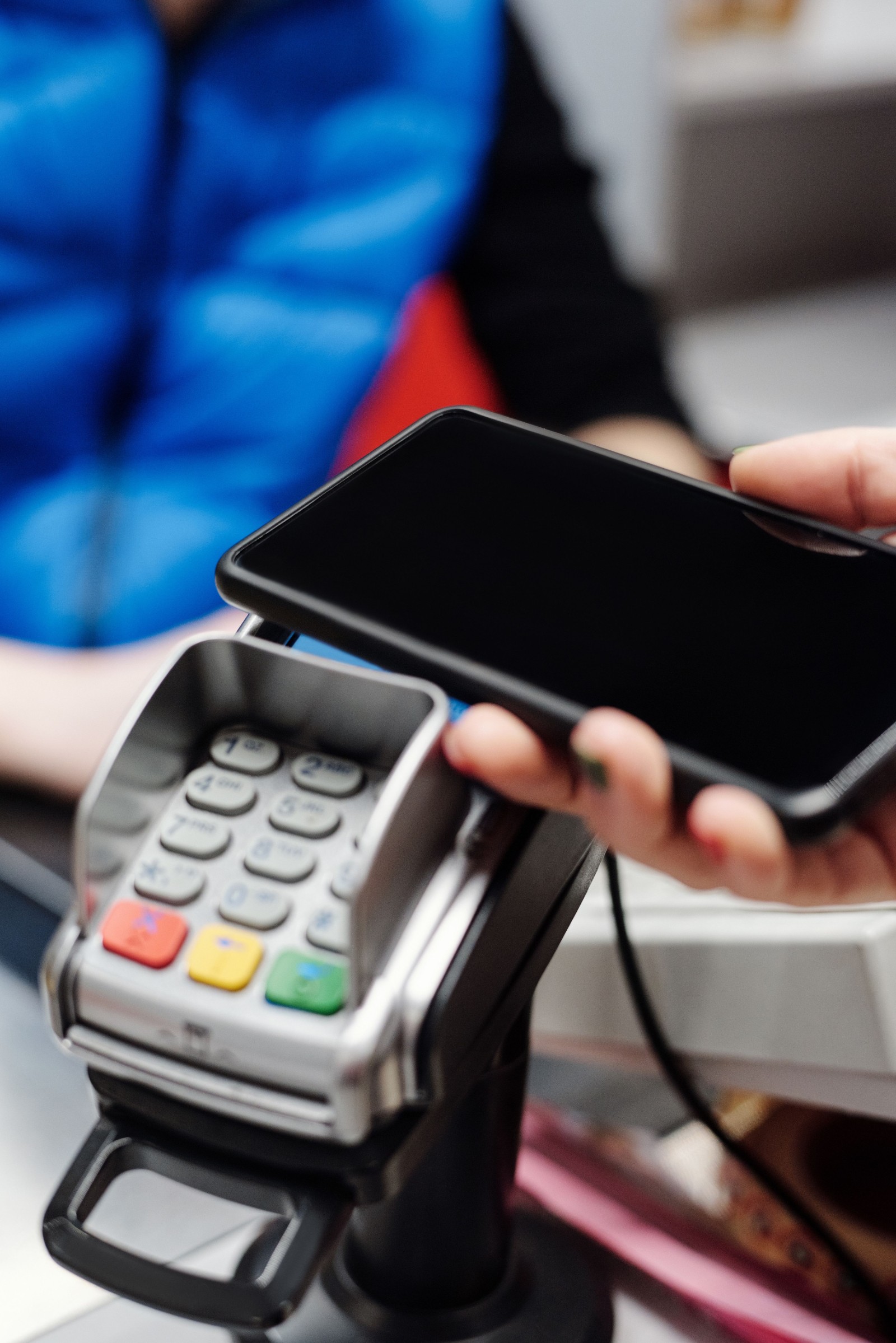
Alipay is widely used across Chinese manufacturing hubs, and suppliers who accept it usually confirm receipt fast, sometimes within minutes. Zolan supports sending payments directly to a supplier's Alipay wallet, which removes the step of finding a separate agent just to get funds into Alipay.
WeChat payments
WeChat Pay functions similarly to Alipay and is common with smaller factories and independent traders who run their business primarily through WeChat. It's often the faster option when a supplier's main point of contact is a sales rep who confirms orders and payments over WeChat chat directly.
Direct bank transfer
For larger suppliers, particularly established manufacturers with a dedicated finance department, a direct bank transfer to their corporate account is standard, and some suppliers prefer it for the paper trail it creates for their own accounting. Zolan handles this route too, sending funds directly to the supplier's bank account rather than leaving the transfer sitting in a queue at a traditional bank.
Why sending in CNY(RMB) avoids double conversion costs
When a payment is sent in USD and the receiving bank or platform has to convert it to CNY(RMB) on arrival, that conversion happens at a rate and a fee the buyer rarely sees in advance. Zolan lets buyers send payments directly in CNY(RMB), so the conversion from naira happens once, upfront, at a rate the buyer can see before sending, rather than twice with a second markup buried on the supplier's end.
Negotiation Mistakes That Cost Importers the Best Rates
Revealing your budget too early
Telling a supplier upfront what you're willing to pay removes any reason for them to quote lower. Ask for their price first, always, and let the negotiation start from their number rather than yours.
Ignoring the total cost, not just the unit price
A lower unit price paired with a higher shipping cost, a longer payment window that ties up cash flow, or a smaller sample allowance can end up costing more overall than a slightly higher unit price with better terms elsewhere. Compare the full landed cost, not the number on the first line of the quote.
Rushing the first order without building rapport
Suppliers give better terms to buyers they expect to see again. Placing a large first order with no prior communication, no sample requests, and no questions about the factory signals a one time buyer, and one time buyers get one time pricing. A few extra messages before the first order tend to pay off on the second and third.
Turning a One Time Deal into a Long Term Discount Relationship
What makes suppliers offer repeat buyers better rates
Repeat buyers reduce a supplier's own cost of doing business. There's less time spent chasing samples and less risk of a payment falling through partway. Production planning gets easier too, when a factory can count on the same buyer coming back each quarter. Suppliers pass some of that saving back to buyers who order consistently, which is why the real discount usually shows up on the second or third order, not the first.
Communication habits that build trust over time
Confirming receipt of goods and flagging quality issues directly, rather than going quiet when something's wrong, builds the kind of track record suppliers notice. So does giving advance notice on upcoming orders, even a rough one, months ahead. Consistency, more than any single negotiation tactic, is what turns one supplier relationship into a long term source of margin.
Frequently Asked Questions
What is the best way to negotiate prices with Chinese suppliers?
Come prepared with competing quotes, ask for the supplier's price before naming a budget, and separate product cost from shipping so offers can be compared on equal terms.
How much can you realistically negotiate down with a Chinese supplier?
Discounts of 10 to 20 percent off an initial quote are common for buyers who benchmark prices and order at a reasonable volume, though the exact number depends on the product, the factory, and how established the relationship is.
Do Chinese suppliers expect buyers to negotiate?
Yes. Opening quotes are built with room to move, and suppliers who deal primarily with international buyers expect a back and forth before a final price is agreed.
What payment methods do Chinese suppliers accept from Nigerian buyers?
Alipay wallet payments, WeChat payments, and direct bank transfer cover most suppliers, with the right choice depending on whether the supplier is an independent trader or an established manufacturer.
Can paying in CNY(RMB) instead of USD get you a better price?
Often yes, since many suppliers settle internally in CNY(RMB) regardless of what currency they quote in, and paying in CNY(RMB) directly removes a conversion step that otherwise adds cost on either side of the deal.
Should you pay a full deposit before or after negotiating price?
Negotiate the price and the payment terms first, and only send a deposit once both are agreed in writing. Paying before terms are settled removes any leverage to negotiate anything further.
How do you build a long term relationship with a Chinese supplier for repeat discounts?
Order consistently, pay on time, communicate clearly about quality and timelines, and give suppliers advance notice on future orders. Discounts tend to show up on the second or third order, not the first.
What negotiation mistakes cost Nigerian importers the best rates?
Revealing a budget before the supplier quotes and focusing only on unit price while ignoring total landed cost both weaken a buyer's position. So does placing a large first order with no prior communication.
Closing
Negotiation gets a supplier to agree to a better price. Payment is what proves you're worth keeping it. Buyers who pay on time, in a currency their supplier can actually use, without failed transfers or delayed confirmations, build the kind of track record that turns a one time discount into a standing one.
For more on getting money to your supplier safely, read [How to Send Money to Your Chinese Supplier Without Getting Scammed](will insert link here) and How to Pay Your Chinese Supplier from Nigeria
Zolan sends payments directly to a Chinese supplier's Alipay wallet, WeChat account, or bank account, in CNY(RMB), without routing through multiple middlemen. Send your first payment today. usezolan.com