
Dele imports electronics from a supplier in China. Two years of consistent orders, no issues. Then on a Tuesday last week, an email landed asking him to send payment to a new account number for goods he'd requested the day before. He sent 4.2 million naira. The goods never came. His real supplier never sent that email. A scammer had hacked the communication thread, swapped the account details, and disappeared.
This happens more than most traders realize, and it's almost always avoidable.
This guide covers the safe payment methods for China suppliers, the red flags every Nigerian importer needs to know, and how to protect your money before you send a single naira.
Why Nigerian Importers Are a Target for Payment Scams
As a trader sending money from Nigeria, you are bound to deal with several risks. These include,
You're dealing with a supplier you've never met physically.
Language barriers slow down anything that needs clarifying.
You're sending large sums across borders with almost no chance of a refund once payment clears.
Scammers know this. And the good ones don't look like scammers. They run structures that mirror legitimate B2B operations: real-looking websites, sales teams, customer success reps, the works. Understanding what that setup looks like is your first line of defense.
The 5 Most Common Scams Targeting Nigerian Importers Paying Chinese Suppliers
Scam 1: The Fake Supplier
Some scammers register real business entities specifically to defraud overseas buyers. They get actual business licenses. They build a professional online presence. They lay down just enough of a paper trail to seem credible, then disappear once the deposit clears.
You find them on Alibaba, WhatsApp groups, or social media. Product photos look right, prices are competitive, responses come fast. You send a deposit. Then nothing.
Red flag: Supplier pushes for payment before you have verified their business registration or received a proforma invoice.
Scam 2: The Account Swap (Business Email Compromise)
This is what happened to Dele. A scammer intercepts the email thread between you and your real supplier and changes the payment account at the worst possible moment, usually right before a large transfer. After weeks of legitimate back and forth, the "supplier" suddenly asks you to wire payment to a personal account instead of the company one, claiming it's faster, or cheaper, or that the company account is frozen.
This is the one that catches even careful traders, because everything before it looked completely normal.
Red flag: Any sudden change in bank account details, especially close to a payment date. Verify by calling your supplier on a number you saved yourself, never a number pulled from the email in question.
Scam 3: The Bait and Switch
The supplier sends a perfect sample. Right quality, right materials, right specs. You approve it, negotiate the bulk order, wire the payment, and wait. The shipment arrives and the quality has quietly dropped.
You paid for premium and got the cheaper version. By the time you notice, getting your money back is close to impossible.
Red flag: no pre-shipment inspection arranged, no third-party quality check before the balance is released.
Scam 4: The Advance Fee Loop
Mold fees. Certification fees. Rush production surcharges. Customs clearance deposits. Each one sounds reasonable in isolation. Together they add up to thousands of dollars before a single unit ships.
Red flag: repeated requests for upfront fees with no production evidence, photos, or shipping documents to show for it.
Scam 5: The Unverified Agent
Plenty of Nigerian traders route payments through local or China-based agents. Some are solid. Some aren't, and when an unverified one goes wrong, you have almost no recourse. Money disappearing into an agent's account and never resurfacing is a story that comes up too often to ignore.
Red flag: an agent who can't produce a registered business name, a verifiable address, or a track record of past transactions.
How to Verify a Chinese Supplier Before Sending Any Money
This is the step most traders skip when they are in a hurry. Do not skip it.
Step 1: Request their business registration documents. Ask for their Chinese business license (营业执照). A legitimate supplier will provide this without hesitation. You can cross-check on Chinese government portals like Qichacha.com or 1688.com if dealing with factories.
Step 2: Check their platform verification status. If sourcing via Alibaba, check the supplier's verification levels: Gold Supplier, Assessed Supplier, and so on. Search for third-party reviews or complaints on sourcing forums and platforms.
Step 3: Always pay into a business account. Always request the business account details from the company you are transacting with. If they fail to provide this, it is best to avoid doing business with them. Sending money to personal accounts is risky and could result in losing your funds and not receiving your goods.
Step 5: Request a pre-shipment inspection. Before sending significant payments, especially for first orders, consider using third-party inspection services like SGS, Bureau Veritas, or QIMA. They can verify the supplier, inspect products, and confirm shipment readiness.
Key Takeaway: Verification is not optional. Take 30 minutes to check before you send millions. A supplier who resists verification is a supplier worth walking away from.
Safe Payment Methods for China Suppliers
Now that you know the scams and how to verify suppliers, here is a breakdown of the safest payment methods available to Nigerian importers today.
Method 1: Licensed Fintech Payment Platforms (Most Recommended)
Licensed fintech providers built for the Nigeria to China corridor are the safest and most cost-effective way to pay right now. They're regulated, which makes your money traceable. They require KYB verification, which filters out fraudulent accounts before they ever touch a transaction. They issue receipts and tracking so you're never guessing where your money is. And they won't send to unverified personal accounts in the first place.
Look for CBN licensing or operation under a licensed institution, support for the CNY corridor, transparent rates shown before you confirm, Alipay wallet delivery if your supplier wants it, and support that actually responds.
Zolan is built specifically for Nigerian importers paying Chinese suppliers: competitive rates, fast delivery, Alipay wallet support, full tracking, all from your browser at usezolan.com
Key takeaway: a licensed fintech provider gives you speed and protection that banks and informal agents can't match. Check the licensing before you use any platform.
Method 2: Bank SWIFT Transfer (Slow but Traceable)
SWIFT transfers between Nigerian and Chinese banks are fully traceable and regulated. Not fast, not cheap, but they leave a clear paper trail, and both ends run compliance checks that can flag or attempt to reverse a fraudulent transaction, though nothing is guaranteed once funds land.
The catch: SWIFT payments don't go straight from Nigeria to China. They pass through two or three correspondent banks, each one adding $25 to $45 in fees and a day or more of processing.
Best for large, well-documented orders with a supplier you've worked with before.
Method 3: Alibaba Trade Assurance
For anything sourced through Alibaba, Trade Assurance is one of the safer options on the table. Your payment sits in escrow and only releases once you confirm the goods arrived as described. If a dispute comes up, Alibaba mediates it.
Best for first orders with a new supplier, or smaller orders placed through the platform itself.
Method 4: Alipay Wallet Delivery
Smaller factories and wholesalers often prefer payment straight into their Alipay wallet. Fast, simple, confirms instantly on their end.
You can't fund a Chinese supplier's Alipay directly from a Nigerian bank account, though. You need a platform that supports Alipay delivery, like Zolan. Routed through a licensed provider, this method still runs on regulated infrastructure rather than an informal agent, and your supplier gets confirmation fast enough to start production without delay.
Best for suppliers who live on Alipay and traders who want the quickest confirmation.
What to Avoid: Informal Agents and Western Union
Avoid using Western Union or cryptocurrency as a first-time importer due to the difficulty in tracking their payments in case of a scam.
Informal agents offer no regulatory protection, no receipts that hold up legally, and no recourse if the money disappears. For anything beyond a very small, low-risk transaction with a person you personally know and trust, avoid this route entirely.
The Safe Payment Checklist: Use This Before Every Transfer
Print this out and keep it with your trading documents. Before every payment to a Chinese supplier, run through all of these:
☐ I have verified the supplier's Chinese business registration
☐ I have confirmed bank account details by phone, not just by email
☐ The payment is going to a company account, not a personal account
☐ I have a signed proforma invoice with itemised goods and total amount
☐ I have agreed payment terms (deposit amount and balance trigger)
☐ I am using a licensed payment provider or bank, not an informal agent
☐ I have arranged or confirmed a pre-shipment inspection for new or large orders
☐ I have saved my payment receipt and transaction reference number
☐ I have not acted on a last-minute change of bank details without calling to verify
⚠️ Key Takeaway: If you cannot check all of these boxes before sending, pause. The few extra minutes it takes to verify could save you millions.
Red Flags: Walk Away If You See Any of These
The supplier only accepts personal account payments. A legitimate business always has a company bank account. A supplier who insists on payment to an individual's personal account is a serious warning sign.
The supplier creates urgency to pressure you. Avoid high-pressure tactics such as "pay today or price goes up." This is a major scam indicator. Legitimate suppliers understand that money transfer takes verification time.
The bank account details changed suddenly. Always treat a sudden change in payment details as a potential hack or impersonation. Call and verify before you do anything.
The deal looks too good to be true. If the price is dramatically below market rate with no clear explanation, something is wrong. Scammers attract buyers with prices that seem too good to refuse.
The platform or provider is unlicensed. Any payment provider operating without CBN licensing or a licensed partner is operating outside the law, which means your money has zero protection if something goes wrong.
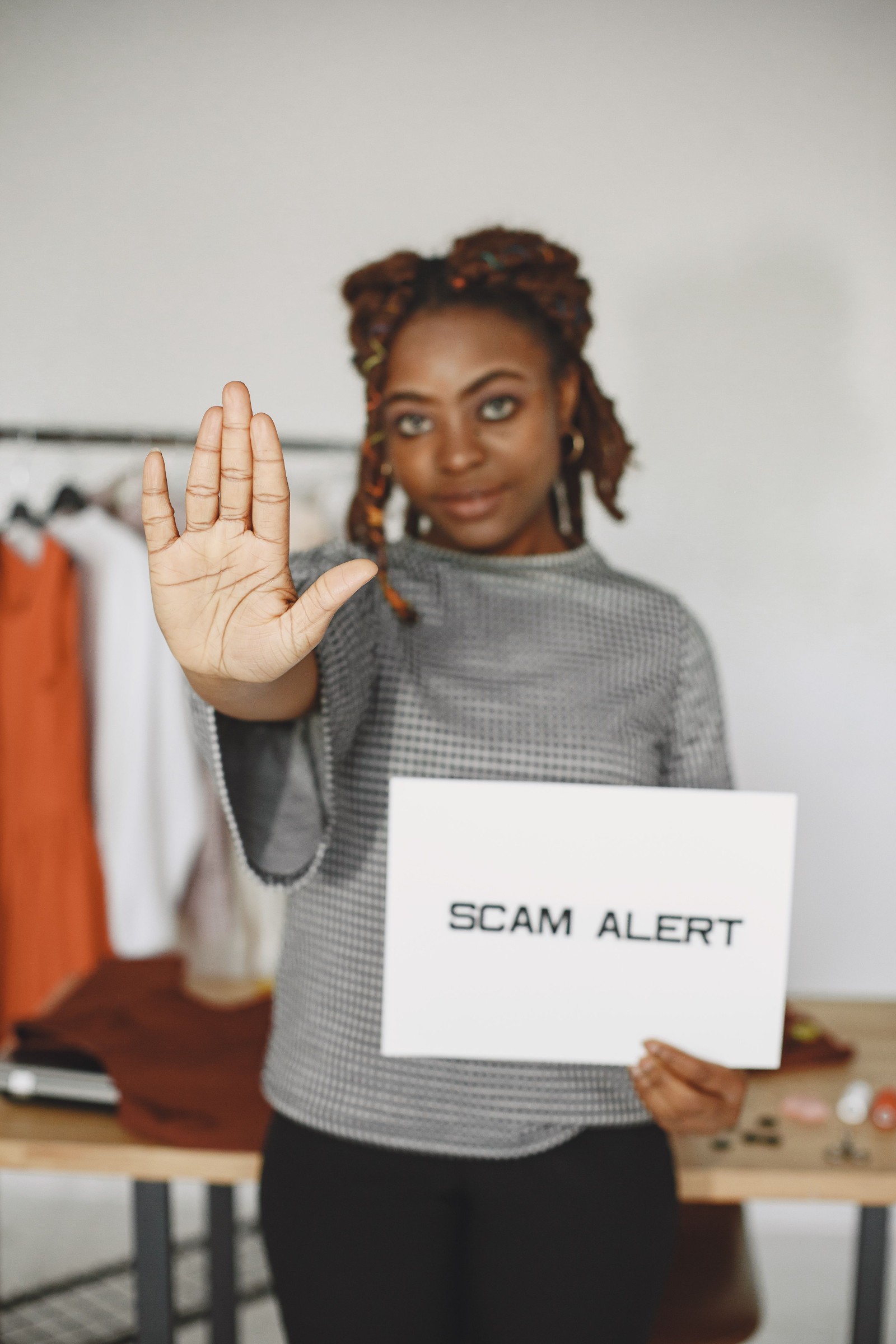
What Happens If You Get Scammed? Here Is What to Do
If you suspect a fraudulent transfer has been made:
Act immediately. Contact your payment provider or bank within the first few hours. The faster you act, the higher the chance of freezing the transfer before it is withdrawn.
Get your transaction reference number. You will need this to file a report and for any bank investigation.
Report to your bank or fintech provider. Licensed providers have compliance teams trained to handle fraud cases. Informal agents have nothing.
File a report with the Economic and Financial Crimes Commission (EFCC). Document everything, emails, invoices, transfer receipts, and communication records. The EFCC handles cross-border fraud cases involving Nigerian citizens.
Contact the supplier through a verified channel. If you suspect your supplier's email was hacked, reach them through a phone number you already had saved, not through any link or number from the suspicious email.
📌 Key Takeaway: Speed is everything after a fraudulent transfer. Do not wait and hope. Act within hours, not days.
How Zolan Keeps Your Payments Safe
Every payment sent through Zolan goes through a licensed, regulated process designed to protect Nigerian importers.
Licensed and regulated: Zolan operates as a licensed cross-border payment provider. Your money moves through a compliant financial framework, not an informal channel.
KYC-verified accounts: Both senders and recipients go through verification. This makes it significantly harder for fraudulent accounts to receive funds through the platform.
Transparent rates before you confirm: You see the exchange rate, the fee, and the exact amount your supplier will receive before you press confirm. No surprises. No hidden costs.
Full payment tracking: From the moment you send to the moment your supplier receives, you can track your transfer in real time. No more wondering where your money is.
Alipay wallet delivery: For suppliers who use Alipay, Zolan delivers directly to their wallet, with fast confirmation so both you and your supplier know the payment has landed.
Real support when you need it: If anything goes wrong, Zolan's support team is available to help you trace and resolve it. That is something an informal agent can never offer.
Want to know exactly how to send your first payment through Zolan? Read our step-by-step guide: How to Create a Zolan Account and Send Your First Payment to China
Frequently Asked Questions
What is the safest way to pay a Chinese supplier from Nigeria? Using a licensed fintech payment provider that supports CNY and USD corridors to China is currently the safest and most cost-effective method. It combines regulatory protection, transparent rates, and full payment tracking. Alibaba Trade Assurance is also a strong option for orders placed on the Alibaba platform.
How do I know if a Chinese supplier is legitimate? Request their Chinese business registration document, verify them on Qichacha.com or their Alibaba profile, confirm that all payments go to a company account, and call to verify bank details before sending any money.
Can I get my money back if I am scammed? It depends on how quickly you act and which channel you use. Licensed providers have compliance teams and can attempt to freeze or reverse transactions if reported immediately. Informal agents offer no such protection. Always act within hours of suspecting fraud.
Is it safe to pay a Chinese supplier through WhatsApp? Using WhatsApp for communication is fine, but never send money based solely on payment details received through WhatsApp. Always verify account details by calling the supplier on a number you have independently saved, and always use a licensed payment provider to make the actual transfer.
What should I do if my supplier asks me to pay a personal account? Do not pay. Legitimate businesses always have company accounts. A request for payment to a personal account is a major red flag. Verify directly with your supplier through a trusted channel before doing anything.
How do I avoid exchange rate scams when paying China suppliers? Always check the mid-market rate on Google or XE.com before sending. Use a provider that shows you the exact rate before you confirm. Any significant gap between the offered rate and the real market rate is money being taken from you silently.
Final Word
The Nigeria to China trade corridor is one of the most active in Africa, and it creates enormous opportunities for importers who do it right. The traders who grow fastest are the ones who protect their money at every step, because one big scam can wipe out months of hard work.
Verify before you pay. Use licensed channels. Never act on pressure. And choose a payment provider that is built to protect you.
Send your first payment safely at usezolan.com